2026年上半期、中国のスマートプロジェクター市場は205.6万台を販売し、前年同期比26.0%減、売上高は33.4億元(現在の為替レートで約4.7億ドル)で、27.0%減となった。この数字は北京の調査会社によるものだ RUNTO チャネル販売台数はレーザーTVを除く。また、2024年第2四半期に始まった減少は止まる気配がなく、これで9四半期連続の前年同期比マイナスとなった。今年の第2四半期の台数は100万台を下回り、単一四半期としては2022年以来初めてこの水準を割り込んだ。
5年前、中国の家電市場で最も成長が著しかったカテゴリーとしては、これは大きな失速だ。そして、世界の手頃な価格のプロジェクターの大半が設計・仕様決定・価格設定される場所が中国である以上、そこで起きることは、およそ2四半期後にAmazonやヨーロッパの小売店に波及する傾向がある。
市場は縮小しつつ、同時にハイエンド方向へシフトしている
RUNTOのデータでより興味深いのは構成比だ。500ルーメン未満のモデルが依然として販売台数の57.5%を占めるが、そのシェアは1年間で14.9ポイント低下した。それ以上の帯域はすべて拡大している:500〜1,000ルーメンの帯域は6.6ポイント増、1,000〜1,500ルーメンの帯域は10.0ポイント増、さらに希少な3,000ルーメン超のセグメントも1.6ポイント伸ばした。解像度も同じ方向に動いており、フルHDが市場の約60%を維持する一方、4K UHDは台数ベースで14.7%に達し、3.6ポイント上昇した。
ここでは二つのことが同時に起きている。2020年から2023年の間に、単に「プロジェクターが欲しい」という理由で安価なモデルを買った層はすでに購入済みで、買い替えをしていない。残っているのは、照明を点けた状態でも映像が耐えられるかどうかを気にする買い手で、彼らに向けて昨年とほぼ同じ価格帯で、より明るい機種が販売されている。これは市場が成長を止め、成熟期に入ったことの定義そのものだ。
明るさの帯域には1つの注意点が伴い、それは中国国外よりも中国国内でより重要となる。中国市場のエントリーレベルの単板LCDプロジェクターは、ANSIやISO測定とは無関係な「ハウスルーメン」値で表記されることが一般的だ。例えば、800「ルーメン」と宣伝された機種でも、どちらの規格でも200未満になることは珍しくない。明るさの構成における上昇傾向の一部は、実際の技術向上によるものだ。一部は、審判不在のスペック競争によるものだ。
ロングテールは国内で衰退し、海外で隆盛している
市場縮小の中で集中度が高まっている。RUNTOによると、オンライン販売台数の上位10ブランドが70%以上、売上高では85%以上を占め、いずれも前年同期から上昇。オンラインチャネルが市場全体の80%以上を担う。成長市場では無名ブランド100社が共存できるが、市場が4分の1縮小する中、流通とアフターサービスにはコストがかかり、それを賄えるのはボリュームだけ。そして末端は切り捨てられる。
ただし、尾は消えたわけではない——移住したのだ。アマゾン米国サイトの現在のプロジェクター売れ筋ランキングを見ると、上位20位は中国市場ではほとんど見かけないブランドが占めている。 Magcubic, HAPPRUNAuKing、CiBest、WiMiUS、ONOAYO、そして次々と入れ替わる5文字のストア名——これらは30ドルから100ドルで1080pのLCDプロジェクターを販売している。それらは同じ工場、同じパネル、同じサプライチェーンから生まれており、中国国内市場では淘汰されつつあるものが、価格が優先されブランド認知度がほぼ存在しない市場へと流れ着いているのだ。
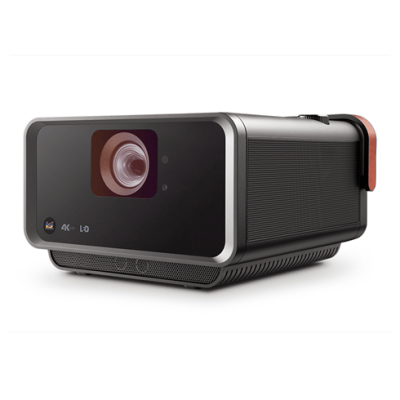
確立されたブランドも、より優れた製品で同じ動きを見せている。XGIMI、JMGO、Hisense、Dangbeiはすべて、過去2年間にわたり米国と欧州への展開を強化しており、その成果はこれらの市場で提供される製品に表れている。例えば、トリプルレーザージンバルプロジェクターのような製品だ。 JMGO N1S Ultra 4K 1,499ドルで、2023年なら倍の値段がしたモデルや、1,000ルーメンのポータブル機にNetflixのライセンス版を搭載し、かつて300ルーメンの箱にサイドロードアプリを入れた製品と同じ価格帯で提供されている。特にDangbeiは、国内の価格競争ではなく、明るさと初期状態でのストリーミングライセンスを軸に海外展開を強化しており、これは価格を下げるよりも持続可能な輸出戦略と言える。
9四半期連続の減少が示す本当の意味
これらの数字を、プロジェクターがテレビに負けていると読むのは魅力的だ。実際、中国では現在、100インチのLCDパネルが、2年前のミッドレンジプロジェクターよりも安価で販売されている。テレビに暗室は不要だ。しかし、このデータが示しているのは、購入者が大画面から離れているということではない。彼らが、悪い製品を二度と買わないことを選んでいるのだ。
縮小する市場の中で成長しているセグメントは、プロジェクターがテレビにはできないことを実現できる領域だ。賃貸アパートで120インチの映像を投射し、バッグに折りたたんで収納し、天井に向けて投影する。これらは明るさと設置環境に依存する部分であり、まさに資金とエンジニアリングの投入先となっている。RUNTOは年間販売台数が再び減少すると予想しており、低輝度のエントリーモデルが短期的には過半数のシェアを維持する一方、メーカー各社は中輝度モデルの1,000元帯への投入を推進している。
中国国外で購入を検討している人にとって、実際的な見方はもっとシンプルだ。深圳で利益率を圧迫している圧力こそが、2026年に500ドルのプロジェクターが2024年に900ドルだった性能を実現する理由であり、Amazonの最安値帯のリストが、でっち上げの明るさの主張が溢れる読めないスープと化した理由でもある。この2つのトレンドは同じ原因を持ち、国内市場がまだ落ち込んでいる限り、どちらも逆転することはないだろう。