Optoma Photon Life PK32 vs. Optoma Photon Life PK31
| Produktname |
Optoma Photon Life PK32Optoma Photon Life PK31 |
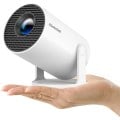
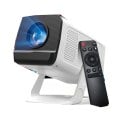
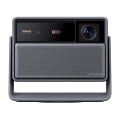
| Produktbild |
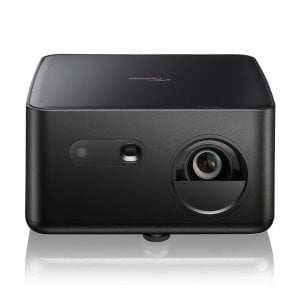
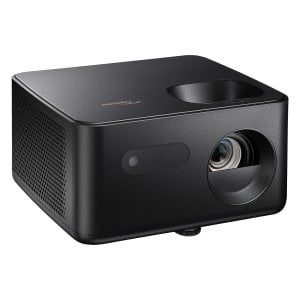
|
| Preis | $699.00 $397.90 |
| Unsere Bewertung | |
| Marke | Optoma Optoma |
| Kategorie | Projektor Projektor |
Optische Parameter
  |
|
| Marke Marke | Optoma Optoma |
| Marke und Modell Marke und Modell | Optoma Photon Life PK32 Optoma Photon Life PK31 |
| Helligkeit (ANSI-Lumen) Helligkeit (ANSI-Lumen) | 1100 (ISO-Lumen) 900 (ISO-Lumen) |
| Display-Chip Display-Chip | DLP DLP |
| Display-Technologie Display-Technologie | DLP DLP |
| Standardauflösung Standardauflösung | 4K UHD (3840x2160) 4K UHD (3840x2160) |
| Maximal unterstützte Auflösung Maximal unterstützte Auflösung | 4K UHD (3840x2160) bei bis zu 60 Hz; 1080p bei bis zu 240 Hz 4K UHD (3840x2160) bei bis zu 60 Hz; 1080p bei bis zu 240 Hz |
| Bildkontrastverhältnis Bildkontrastverhältnis | 250,000:1 200,000:1 |
| Projektionsverhältnis Projektionsverhältnis | 1.1-1.43:1 1.5-1.65:1 |
| Keystone-Korrektur Keystone-Korrektur | Automatische Trapezkorrektur bis 120"; manuelle vertikale und horizontale Trapezkorrektur je 40 Grad Manuelle vertikale und horizontale Trapezkorrektur um jeweils 40 Grad |
| Lebensdauer der Lampe Lebensdauer der Lampe | 30.000 Stunden (Eco-Modus) 30.000 Stunden (Eco-Modus) |
| Lampentyp Lampentyp | RGB-LED (4LED) RGB-LED |
| Projektorlinse Projektorlinse | 1,3-facher optischer Zoom, Brennweite 11,9–15,5 mm; kein Lens-Shift 1,1-facher optischer Zoom, Brennweite 15,843–17,445 mm; kein Lens Shift |
| Fokussiertechnologie Fokussiertechnologie | Autofokus mit Time-of-Flight-Sensor |
Projektionsparameter
|
|
| Produkttyp Produkttyp | Kompakter Heimkino- und Gaming-Projektor Kompakter Heimkino- und Gaming-Projektor |
| Betriebssystem Betriebssystem | Keine – keine integrierte Streaming-Plattform; Optoma führt kein WLAN auf Keine – keine integrierte Streaming-Plattform |
| Bildgröße Bildgröße, Projektor1 | 60"–150" (120" mit automatischer Trapezkorrektur) 60"-150" |
| Bildformat Bildformat | 16:9 16:9 |
| Bildtechnologie Bildtechnologie | HDR10 und HLG; 95 % DCI-P3 HDR10 und HLG |
| 3D Stereoskopischer Film ist eine Filmtechnik, die erstmals am 24. Mai 1953 in Hollywood mit der Einführung stereoskopischer Filme auftrat. | Nein Nein |
| Soundsystem Soundsystem | 2 x 5W 1 x 5W |
| Projektionsmethode Projektionsmethode | Tischaufstellung, Deckenmontage |
| Markteinführung Markteinführung | 2026 |
Anschlüsse
|
|
| I/O-Anschlussports Anschlussports |
HDMI 2.0 x 2 (eARC) USB-A x 1 (Service) USB-C x 1 Audioausgang x 1 HDMI 2.0 USB-A x 1 (Service) Audioausgang x 1 |
Sonstige
|
|
| Maße (H x B x T) Maße (H x B x T) | 238 x 215 x 117,7 mm ohne Füße; 238 x 215 x 130 mm mit Füßen 238 x 215 x 117,7 mm ohne Füße; 238 x 215 x 130 mm mit Füßen |
| Stromverbrauch Stromverbrauch | 130 W typisch im hellen Modus, 70 W typisch im Eco-Modus 86 W typisch im hellen Modus, 55 W typisch im Eco-Modus |
| Lautstärkepegel Lautstärkepegel | 27 dB Eco / 31 dB hell 26 dB im Eco-Modus / 32 dB im hellen Modus |
| Gerätegewicht Gerätegewicht | 2,7 kg netto (5,95 lb) 2,2 kg netto (5,2 lb) |
| Zubehör Zubehör |
Netzteil Fernbedienung 2 x AAA-Batterien Kurzanleitung Netzteil Fernbedienung 2 x AAA-Batterien Grundlegendes Benutzerhandbuch |
| Akku Akku | Kein interner Akku – netzbetrieben Kein interner Akku – netzbetrieben |
| Sonstiges Sonstiges | Eingangslatenz 16 ms bei 4K 60 Hz, 8 ms bei 1080p 120 Hz, 4,6 ms bei 1080p 240 Hz; Sicherheitsbügel und Kensington-Schloss Eingangslatenz 16 ms bei 4K 60 Hz, 8 ms bei 1080p 120 Hz, 4,6 ms bei 1080p 240 Hz; Sicherheitsbügel und Kensington-Schloss |