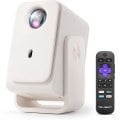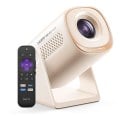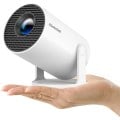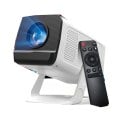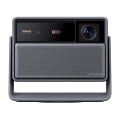
Anker Nebula Capsule 3 vs. Optoma Photon Life PK31
| Produktname |
Anker Nebula Capsule 3Optoma Photon Life PK31 |
| Produktbild |
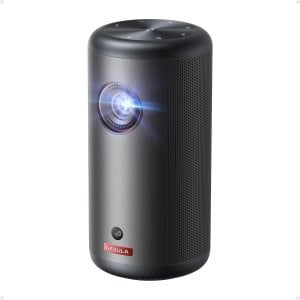
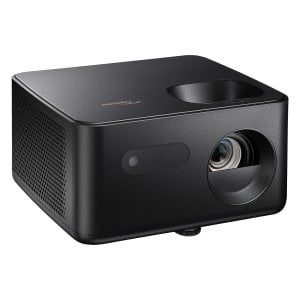
|
| Preis | $359.00 $397.90 |
| Unsere Bewertung | |
| Marke | Anker Nebula Optoma |
| Kategorie | Projektor Projektor |
Optische Parameter
  |
|
| Marke Marke | Anker Nebula Optoma |
| Marke und Modell Marke und Modell | Nebula Capsule 3 (D2425) Optoma Photon Life PK31 |
| Helligkeit (ANSI-Lumen) Helligkeit (ANSI-Lumen) | 200 ANSI-Lumen 900 (ISO-Lumen) |
| Display-Chip Display-Chip | 0,23" DMD DLP |
| Display-Technologie Display-Technologie | DLP DLP |
| Standardauflösung Standardauflösung | 1080p Full HD (1920x1080) 4K UHD (3840x2160) |
| Maximal unterstützte Auflösung Maximal unterstützte Auflösung | 4K UHD (3840x2160) bei bis zu 60 Hz; 1080p bei bis zu 240 Hz |
| Bildkontrastverhältnis Bildkontrastverhältnis | 200,000:1 |
| Projektionsverhältnis Projektionsverhältnis | 1.2:1 1.5-1.65:1 |
| Keystone-Korrektur Keystone-Korrektur | Automatische Trapezkorrektur Manuelle vertikale und horizontale Trapezkorrektur um jeweils 40 Grad |
| Lebensdauer der Lampe Lebensdauer der Lampe | 30.000 Stunden 30.000 Stunden (Eco-Modus) |
| Lampentyp Lampentyp | LED RGB-LED |
| Projektorlinse Projektorlinse | 1,1-facher optischer Zoom, Brennweite 15,843–17,445 mm; kein Lens Shift |
| Fokussiertechnologie Fokussiertechnologie | Autofokus |
Projektionsparameter
|
|
| Produkttyp Produkttyp | Tragbarer, akkubetriebener Smart-Projektor Kompakter Heimkino- und Gaming-Projektor |
| RAM Arbeitsspeicher | 2 GB |
| Speicher Speicher | 16 GB |
| Betriebssystem Betriebssystem | Google TV (Android TV 11.0) Keine – keine integrierte Streaming-Plattform |
| Inhalt Inhalt | Offiziell von Netflix lizenziert; Chromecast integriert |
| Bildgröße Bildgröße, Projektor1 | 40"-120" 60"-150" |
| Bildformat Bildformat | 16:9 16:9 |
| Bildtechnologie Bildtechnologie | Automatische Bildanpassung, Hindernisvermeidung HDR10 und HLG |
| Bluetooth Bluetooth | Bluetooth 5.1 |
| 3D Stereoskopischer Film ist eine Filmtechnik, die erstmals am 24. Mai 1953 in Hollywood mit der Einführung stereoskopischer Filme auftrat. | Nein |
| Soundsystem Soundsystem | 8-W-Dolby-Lautsprecher 1 x 5W |
| Projektionsmethode Projektionsmethode | Front |
Anschlüsse
|
|
| I/O-Anschlussports Anschlussports |
HDMI 2.1 (ARC) USB-C-Stromeingang (PD 20V/2.25A) HDMI 2.0 USB-A x 1 (Service) Audioausgang x 1 |
| WLAN WLAN | Wi-Fi |
| Bluetooth Bluetooth | Bluetooth 5.1 |
Sonstige
|
|
| Maße (H x B x T) Maße (H x B x T) | 238 x 215 x 117,7 mm ohne Füße; 238 x 215 x 130 mm mit Füßen |
| Stromverbrauch Stromverbrauch | PD 20V/2.25A 86 W typisch im hellen Modus, 55 W typisch im Eco-Modus |
| Lautstärkepegel Lautstärkepegel | <28 dB 26 dB im Eco-Modus / 32 dB im hellen Modus |
| Gerätegewicht Gerätegewicht | 0,85 kg 2,2 kg netto (5,2 lb) |
| Zubehör Zubehör |
Netzteil Fernbedienung 2 x AAA-Batterien Grundlegendes Benutzerhandbuch |
| Akku Akku | Integriert, bis zu 2,5 Stunden Video (Eco-Modus) Kein interner Akku – netzbetrieben |
| Sonstiges Sonstiges | Eingangslatenz 16 ms bei 4K 60 Hz, 8 ms bei 1080p 120 Hz, 4,6 ms bei 1080p 240 Hz; Sicherheitsbügel und Kensington-Schloss |