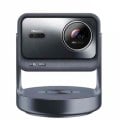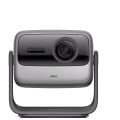
Dangbei MP1 Max vs. XGIMI HORIZON 20 Pro
| Produktname |
Dangbei MP1 MaxXGIMI HORIZON 20 Pro |
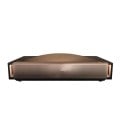
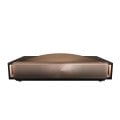
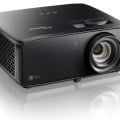
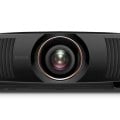
| Produktbild |
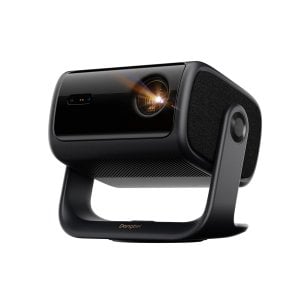
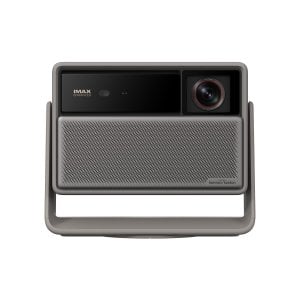
|
| Preis | $1,299.00 $1,619.00 |
| Unsere Bewertung | |
| Marke | Dangbei XGIMI |
| Kategorie | Projektor |
Optische Parameter
 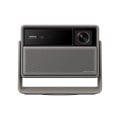 |
|
| Marke Marke | Dangbei XGIMI |
| Marke und Modell Marke und Modell | Dangbei MP1 Max XGIMI HORIZON 20 Pro (XR14A) |
| Helligkeit (ANSI-Lumen) Helligkeit (ANSI-Lumen) | 3100 (ISO-Lumen) 4100 (ISO-Lumen) |
| Display-Chip Display-Chip | 0.47" DLP 0.47" DMD |
| Display-Technologie Display-Technologie | DLP DLP |
| Standardauflösung Standardauflösung | 4K UHD (3840×2160) 4K UHD (3840x2160) |
| Maximal unterstützte Auflösung Maximal unterstützte Auflösung | 4K 4K |
| Bildkontrastverhältnis Bildkontrastverhältnis | 20.000:1 (DBLE ein) |
| Projektionsverhältnis Projektionsverhältnis | 1.20:1 1.2-1.5:1 |
| Keystone-Korrektur Keystone-Korrektur | Auto Ununterbrochene automatische Trapezkorrektur (Seitliche Projektion bis zu 40 Grad) |
| Lebensdauer der Lampe Lebensdauer der Lampe | 30.000 Stunden |
| Lampentyp Lampentyp | Triple-Laser + LED-Hybrid RGB-Triple-Laser |
| Projektorlinse Projektorlinse | Objektiv mit hoher Lichtdurchlässigkeit; optischer Zoom, Lens Shift V +/-120 % H +/-45 % |
| Fokussiertechnologie Fokussiertechnologie | Autofokus Autofokus mit intelligenter Bildausrichtung und Hinderniserkennung |
Projektionsparameter
|
|
| Produkttyp Produkttyp | Laserprojektor Heimkino-Laserprojektor |
| CPU CPU | MediaTek MT9679, Mali-G52 GPU |
| RAM Arbeitsspeicher | 4GB |
| Betriebssystem Betriebssystem | Google TV Google TV |
| Inhalt Inhalt | Lizenzierte Netflix-, YouTube-, Prime-Video-, Disney+-Apps Lizenziertes Netflix plus der Google-TV-App-Katalog; DLNA- und Google-Cast-Spiegelung |
| Bildgröße Bildgröße, Projektor1 | 40"~300" 40"-300" |
| Bildformat Bildformat | 16:9 16:9 |
| Bildtechnologie Bildtechnologie | HDR10+, HDR10, HLG, 110 % BT.2020 Dolby Vision und IMAX Enhanced laut XGIMI; BT.2020 110 % Farbraum |
| MEMC MEMC | Ja |
| Bluetooth Bluetooth | Bluetooth 5.2 Bluetooth 5.2 |
| 3D Stereoskopischer Film ist eine Filmtechnik, die erstmals am 24. Mai 1953 in Hollywood mit der Einführung stereoskopischer Filme auftrat. | Ja, Full-HD-3D Ja |
| Soundsystem Soundsystem | 2 x 12 W (Dolby Audio, DTS:X) 2 x 12 W Harman/Kardon; Dolby Audio, Dolby Digital Plus, DTS-HD, DTS Virtual:X |
| Projektionsmethode Projektionsmethode | Vorne, Hinten, Decke vorne, Decke hinten Vorne, Hinten, Decke vorne, Decke hinten |
| Markteinführung Markteinführung | 2025 2026 |
Anschlüsse
|
|
| I/O-Anschlussports Anschlussports |
HDMI 2.1 x 2 (1 x eARC) USB x 1 Audio-Ausgang (3,5 mm) × 1 HDMI x 2 (HDMI1 unterstützt eARC) USB 3.0 x 1 USB 2.0 x 1 Optischer Ausgang x 1 Audioausgang x 1 DC-Eingang x 1 |
| WLAN WLAN | WLAN 6 (Dual-Band 2,4/5 GHz) Wi-Fi 6 Dualband 2,4/5 GHz, 802.11a/b/g/n/ac/ax |
| Bluetooth Bluetooth | Bluetooth 5.2 Bluetooth 5.2 |
Sonstige
|
|
| Maße (H x B x T) Maße (H x B x T) | 246,6 × 295,9 × 230,1 mm 249 x 298 x 190 mm (9,8 x 11,7 x 7,5 Zoll) |
| Stromverbrauch Stromverbrauch | 240W Bis zu 230 W; AC 100-240 V 50/60 Hz |
| Lautstärkepegel Lautstärkepegel | 24 dB Bis zu 28 dB bei 1 m |
| Gerätegewicht Gerätegewicht | 5,6 kg 4,9 kg (10,8 lb) |
| Zubehör Zubehör |
Netzkabel x1 Fernbedienung x1 Bedienungsanleitung x1 Netzstecker x1 Bluetooth-Fernbedienung mit Hintergrundbeleuchtung x1 2x AAA-Batterien Handbuch x1 Garantiekarte x1 |
| Akku Akku | Kein interner Akku – netzbetrieben |
| Sonstiges Sonstiges | Integrierter, schwenkbarer Gimbal-Ständer 240-Hz-Unterstützung mit 1 ms Eingabeverzögerung, VRR und ALLM; integrierter Neigefuß |